This product ships from your country, so you don't
have to worry about import fees or tariffs.


HAUI 3Gang 7in Display Wall Mount Dashboard WiFi.
Product Description
The HAUI Touch Display is a sleek, purpose-built wall-mount user interface designed for Home Assistant or any similar home automation dashboards like OpenHAB, Domoticz, ioBroker, Gladys Assistant. It transforms any standard single-gang electrical box into a beautiful, always-available touchscreen control panel for your smart home. It's also applicable to a fixed display of any URL you find useful.
Running a full Home Assistant dashboard directly in your browser, HAUI provides instant access to lights, scenes, climate, security, and any other automation you have configured — all with a responsive, touch-optimized experience that feels native to your home.
Key features include:
- Flush wall-mount design with clean, minimal bezels
- Easy USB-powered installation (replaces existing switches)
- Built-in Setup Wizard for Wi-Fi, MQTT, and backlight control
- MQTT integration for dynamic brightness, timeouts, and diagnostics directly in Home Assistant
- Automatic sleep/dim functionality for energy efficiency and longevity
- Powered by Raspberry Pi
HAUI is the perfect modification of a full-page OS turned into a dedicated wall-mounted Home Assistant interface — simple, reliable, and always ready.
Check out the video below showing HAUI-07 in use.
Specifications
- Display: 7-inch capacitive touchscreen
- Mounting Style: Wall flush (fits standard single-gang electrical box)
- Input Voltage: 120 VAC ±10%
- Maximum Current: 1 A
- Maximum Ambient Temperature: 35°C (95°F)
- Warranty: 3 months
Mechanical Installation
⚠️ Important: Electrical work should be performed by a certified electrical technician. Always turn off power at the circuit breaker before installation.
Full video of the installation step by step:
Technician Steps (Electrical Wiring)
Step 1: Remove the current wall switch(es) and separate the Line (hot) and Neutral wires. Ground connection is not required — the included USB charger has internal protections.
Step 2: Connect the USB charger wires: Black → Line (hot), White → Neutral. Wiring USB charger
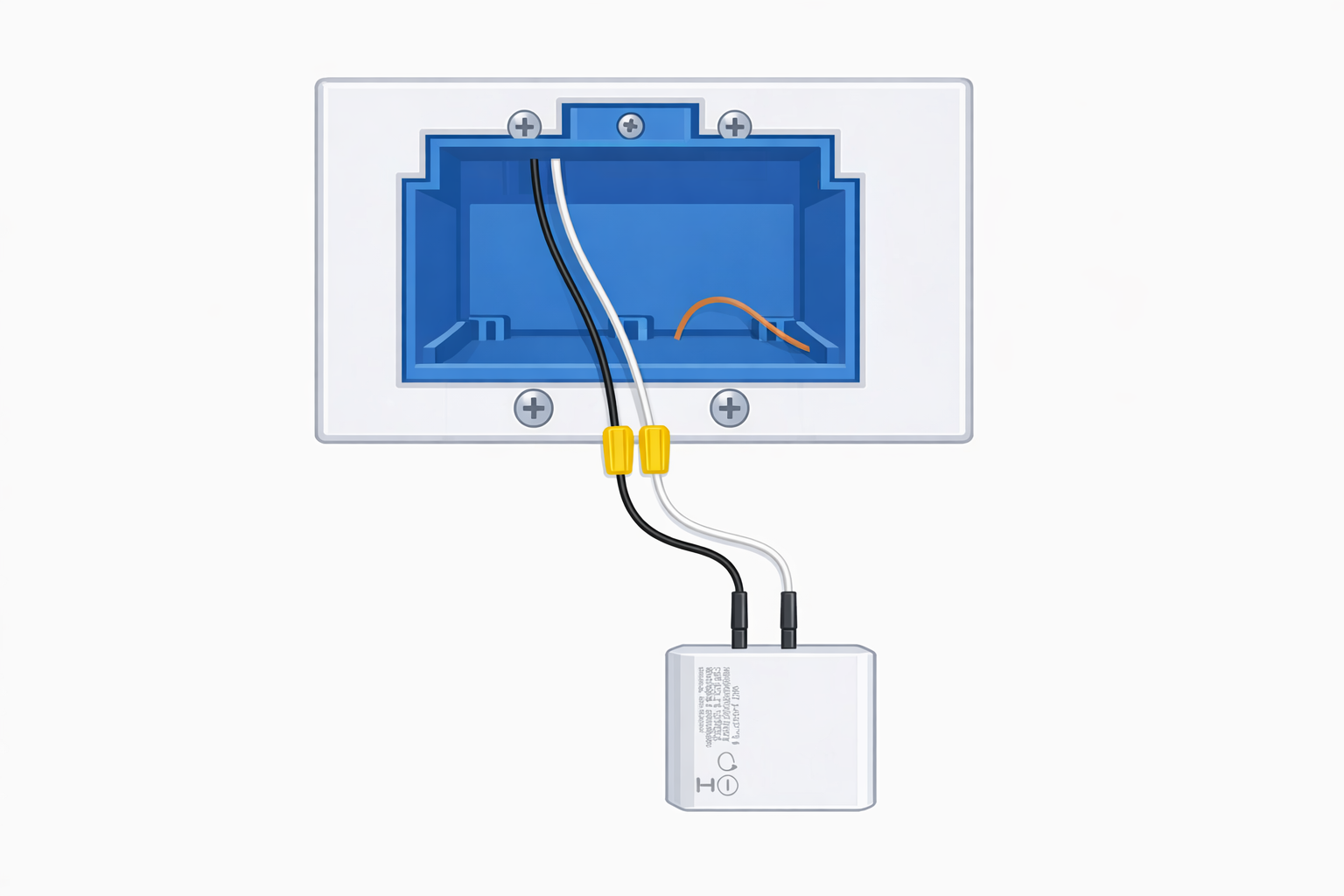
Step 3: Connect the short USB cable (provided with HAUI) to the USB charger. Tuck the wires neatly inside the electrical box together with the charger, leaving at least 1 inch of clearance for the HAUI unit to sit flush.
User Steps (Final Assembly)
Step 4: With power safely restored and wires secured, connect the USB cable to the HAUI display. Connecting USB cable to HAUI
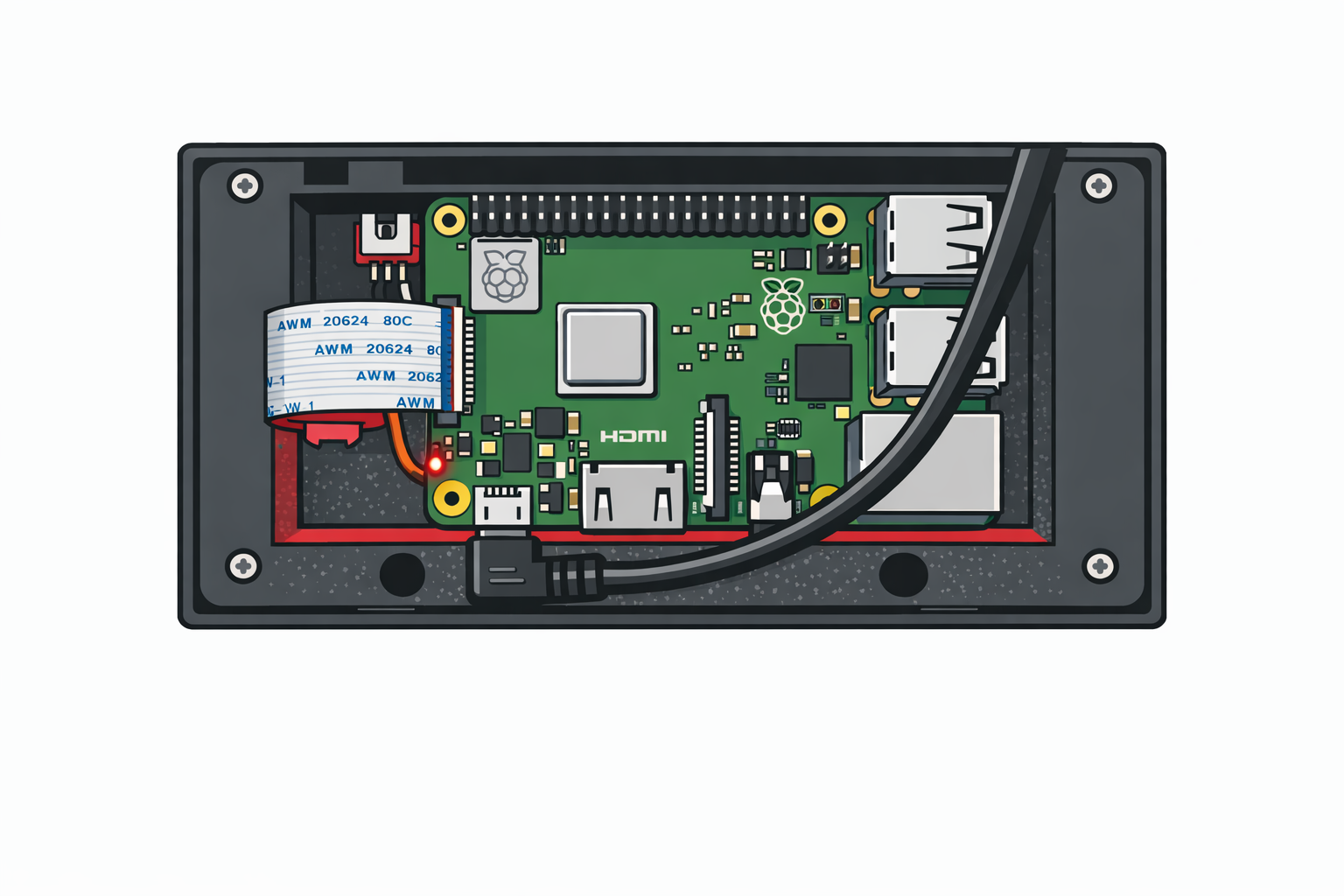
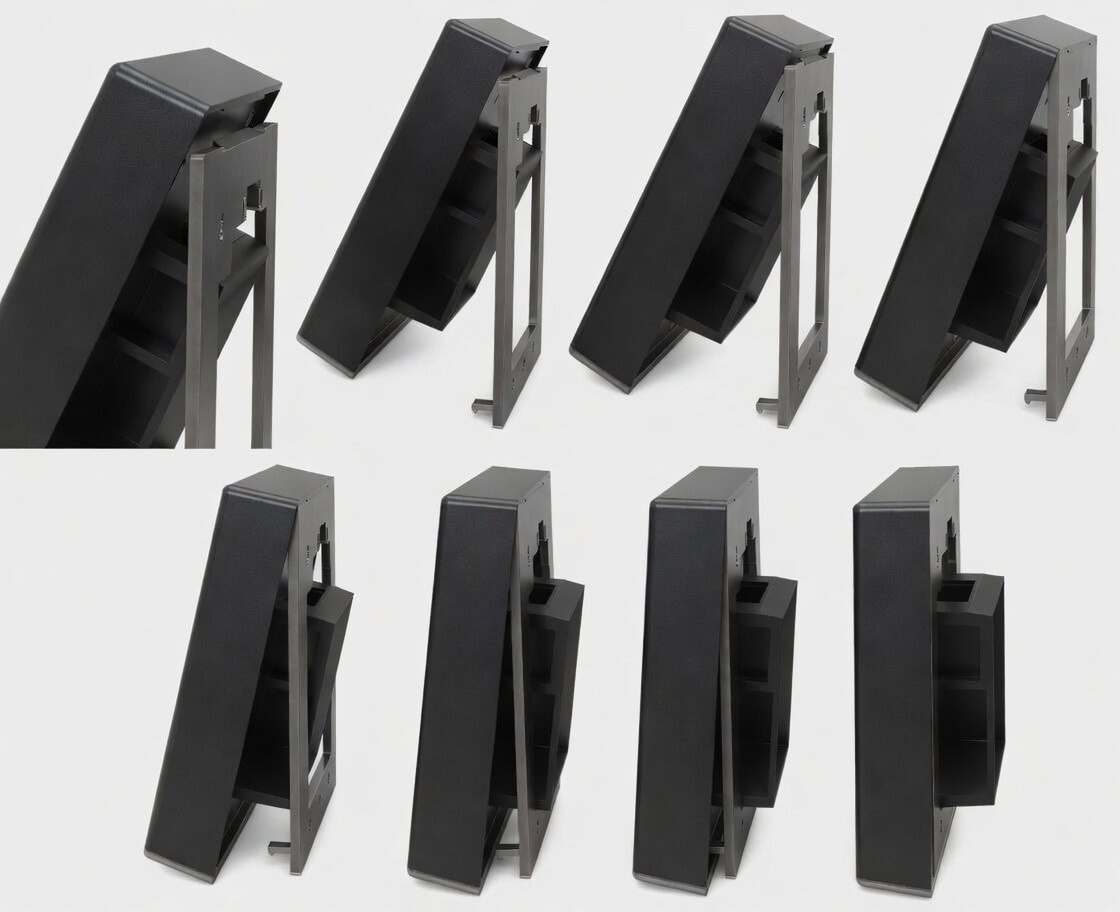
Step 5: Align the top of the HAUI interface with the mounting bracket, then gently press the bottom tabs to snap it securely into place.
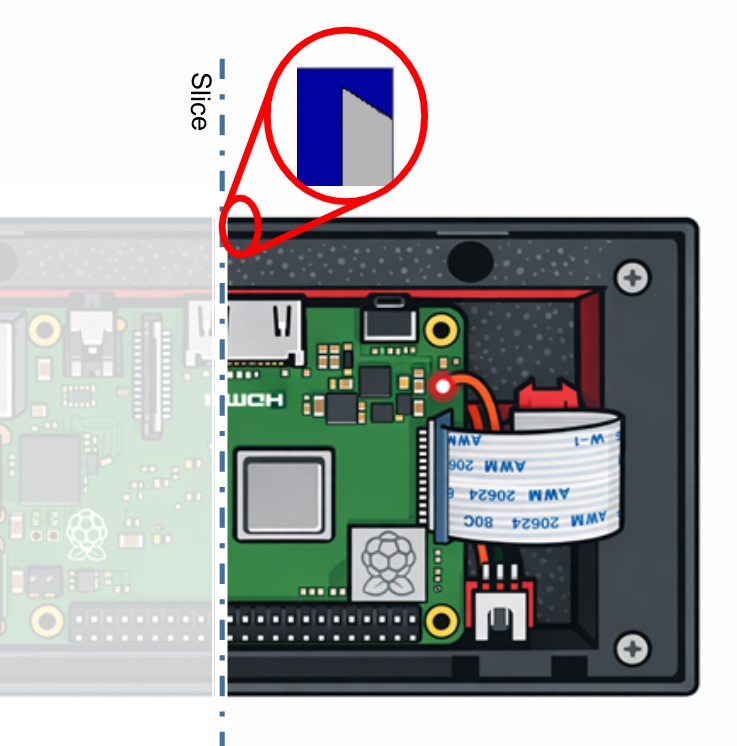
Snapping HAUI into the wall bracket
Step 6: Once the top is aligned, bring the display towards the bracket until the bottom snaps of the bracket engage with the display. Snapping HAUI into the wall bracket
Powering Up & Setup Wizard
Once the USB cable is connected and power is applied, the HAUI will automatically boot and launch the Setup Wizard.
Below is a video of the wizard step by step.
Follow the on-screen steps in sequence to configure:
Wi-Fi connection
Hostname
MQTT connection (optional but recommended)
Backlight control service
MQTT Integration: When connected, MQTT allows Home Assistant to dynamically adjust screen brightness, dim timeout, and sleep timeout. It also provides useful diagnostics (such as undervoltage events) directly in your dashboard.
If MQTT is not configured, the unit will use safe default settings for sleep and dimming behavior.
On the final wizard screen, tap Reboot. The HAUI will restart and load directly into the Home Assistant dashboard URL you entered during setup. Snapping HAUI into the wall bracket
Links to code and documentation
Documentation (haui.remorh.com)
Shipping policy
No information available.
HAUI 3Gang 7in Display Wall Mount Dashboard WiFi.
Sold by RemorH
$199.00
No tax for United States [change]
Stock available: 2
The seller

Remor Homes is a trusted real estate property management company with over 3 years of hands-on experience managing rental portfolios across the Southeast.
From optimizing tenant experiences to streamlining operations in our own properties, we’ve learned what truly makes a smart home efficient, reliable, and user-friendly for our landlords and tenants.
Driven by our internal needs for practical, professional-grade home automation solutions, we expanded into hardware development. The result is our first product: the HAUI-07 3-Gang Home Assistant Wall Mount Kiosk.
Built specifically for daily use in managed properties and personal smart homes, the HAUI-07 transforms any standard 3-gang electrical box into a sleek, always-on touchscreen interface for Home Assistant. It combines elegant FullPageOS customization, intuitive controls, and robust hardware into a polished solution that looks like a factory-installed smart panel.
Whether you’re a homeowner, landlord, or fellow property manager looking for reliable wall-mounted dashboards, the HAUI-07 delivers the professional finish and functionality we demand in our own portfolio — now available to you.
Engineered by professional engineers and property managers, for smarter living.
From optimizing tenant experiences to streamlining operations in our own properties, we’ve learned what truly makes a smart home efficient, reliable, and user-friendly for our landlords and tenants.
Driven by our internal needs for practical, professional-grade home automation solutions, we expanded into hardware development. The result is our first product: the HAUI-07 3-Gang Home Assistant Wall Mount Kiosk.
Built specifically for daily use in managed properties and personal smart homes, the HAUI-07 transforms any standard 3-gang electrical box into a sleek, always-on touchscreen interface for Home Assistant. It combines elegant FullPageOS customization, intuitive controls, and robust hardware into a polished solution that looks like a factory-installed smart panel.
Whether you’re a homeowner, landlord, or fellow property manager looking for reliable wall-mounted dashboards, the HAUI-07 delivers the professional finish and functionality we demand in our own portfolio — now available to you.
Engineered by professional engineers and property managers, for smarter living.